Complete Comparison of Different Material Clothes Drying Racks: Make the Right Choice

Complete Comparison of Different Material Clothes Drying Racks: Make the Right Choice
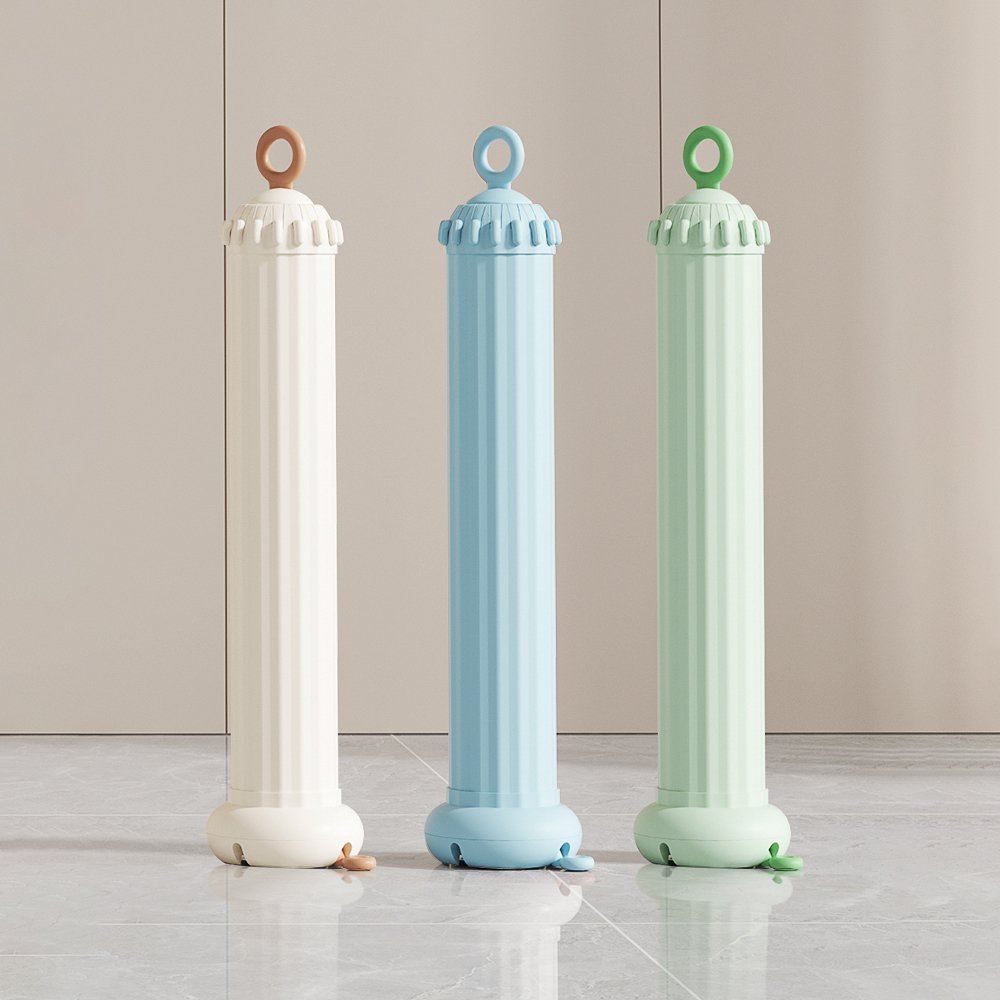
Small household item, big purchasing decision
When furnishing your home or updating daily necessities, freestanding clothes drying racks are practical tools often overlooked in terms of material selection. Faced with numerous options on the market, what are the actual advantages and disadvantages of different materials? This article provides a detailed comparison of characteristics across various clothes drying rack materials, helping you make the best choice according to your needs.
Wooden Drying Racks: Natural Beauty Requiring Careful Maintenance
Wooden drying racks are beloved by those seeking quality in life due to their clear grain patterns and natural aesthetics. They add a touch of natural warmth to home environments, particularly suitable for Nordic, rustic, and other decorative styles.
Advantages:
- Natural appearance: Clear wood grain reveals natural beauty, enhancing home style
- Comfortable touch: No cold feel of metal, warm and smooth to the touch
- Home integration: Easy to coordinate with furniture, creating unified home style
Disadvantages:
- Susceptible to water damage: Prone to deformation, cracking, and corrosion when exposed to water
- Limited load capacity: Not suitable for hanging large quantities or heavy clothing
- Requires maintenance: Needs regular upkeep to maintain original beauty
Best For: Indoor dry clothing storage, or as decorative clothing racks.
Stainless Steel Drying Racks: Sturdy and Corrosion-Resistant Choice
Stainless steel drying racks are the preferred choice for many households, especially suitable for humid areas.
Advantages:
- Excellent corrosion resistance: Superior anti-rust properties, unlikely to rust
- Stable structure and strong load capacity: Can handle heavy winter clothing
- Long service life: Won’t deform or crack due to climate changes, highly durable
- Easy to clean: Surface wipes easily, doesn’t harbor dirt
Disadvantages:
- Heavy weight: Less portable
- Higher cost: Relatively expensive
- Cold touch: Metal feel can be chilly in winter
- Potential discoloration: Poor surface treatment may lead to fading or yellow spots over time
Best For: High humidity environments, balcony or outdoor use, and households needing to hang large quantities of heavy clothing.
Aluminum Alloy Drying Racks: Lightweight and Modern Option
Aluminum alloy drying racks are also highly popular for being lightweight and easy to move.
Advantages:
- Lightweight and portable: Easy to carry and reposition
- Good rust resistance: More durable and rust-proof
- Attractive variety: Multiple surface treatment options (polished, anodized, powder coated, electrophoretic), good color retention, lightweight and attractive
- Eco-friendly and recyclable: Recyclable material, environmentally friendly
Disadvantages:
- Higher price: More expensive than stainless steel options
- Slightly lower load capacity: Less weight-bearing capacity than stainless steel
- Potential oxidation: Poor treatment may lead to oxidation; requires regular inspection in humid environments
- Light feel: Some may prefer the more solid feel of stainless steel
Best For: Households frequently needing to move drying racks, modern minimalist home styles, and users mainly drying lightweight clothing.
Plastic Drying Racks: Economical and Lightweight Temporary Solution
Plastic drying racks are budget-friendly options suitable for cost-conscious consumers or temporary use.
Advantages:
- Low cost: Affordable with low purchase threshold
- Lightweight and portable: Easy to move and carry
- Color variety: Multiple color options available
- Rust-proof and waterproof: No rust concerns
Disadvantages:
- Easy to damage: Lower weight capacity, prone to wear
- Short lifespan: Becomes brittle with prolonged outdoor use, breaks easily
- Environmental concerns: Materials may cause environmental pollution
- Average quality: Often feels cheap
Best For: Temporary use, budget-limited consumers, or primarily indoor use.
Iron Drying Racks: Traditional but Not Recommended
Iron drying racks were more common in the past but are gradually being replaced by other materials as technology advances.
Advantages:
- High initial strength: Sturdy when first purchased
- Low price: Typically economical
Disadvantages:
- Prone to rust: Susceptible to corrosion over time
- May stain clothes: Rust can transfer to clothing
- Limited lifespan: Not durable long-term
Best For: Temporary use only or extremely limited budgets; not recommended for long-term household use.
Comprehensive Comparison Table
| Material | Durability | Rust Resistance | Load Capacity | Weight | Price | Maintenance Needs |
|---|---|---|---|---|---|---|
| Wood | Medium | Low | Medium | Medium | Medium-High | High |
| Stainless Steel | High | High | High | Heavy | Medium-High | Low |
| Aluminum Alloy | High | High | Medium-High | Light | Medium-High | Low |
| Plastic | Low | High | Low | Light | Low | Low |
| Iron | Medium | Low | High | Heavy | Low | High |
Other Key Factors When Choosing a Drying Rack
Beyond material selection, consider these factors when purchasing a freestanding drying rack:
- Structural stability: Ensure solid construction and firmness to avoid collapse during use
- Size planning: Determine appropriate size based on balcony space, number of household members, and clothing volume
- Surface treatment process: Whether aluminum alloy or stainless steel, quality surface treatment (such as electrophoretic process) significantly extends service life
- Usage scenario: Consider primary use environment – indoor or outdoor, humid or dry conditions
- Environmental friendliness: Choose recyclable materials and note whether eco-friendly coatings are used
Conclusion
Choosing the right material for your freestanding drying rack requires comprehensive consideration of your living environment, usage habits, budget, and home style.
- For durability and moisture resistance: Stainless steel is the best choice
- For lightweight aesthetics and portability: Aluminum alloy performs better
- For natural texture preference: Wooden drying racks (limited to indoor use) satisfy aesthetic needs
- For limited budgets: Plastic drying racks work as temporary solutions
Regardless of which material you choose, remember to perform regular inspections and maintenance to extend service life and ensure better performance in your daily life.
We hope this article helps you find the perfect drying rack that meets your needs in the diverse market, making the daily task of drying clothes more pleasant and effortless!